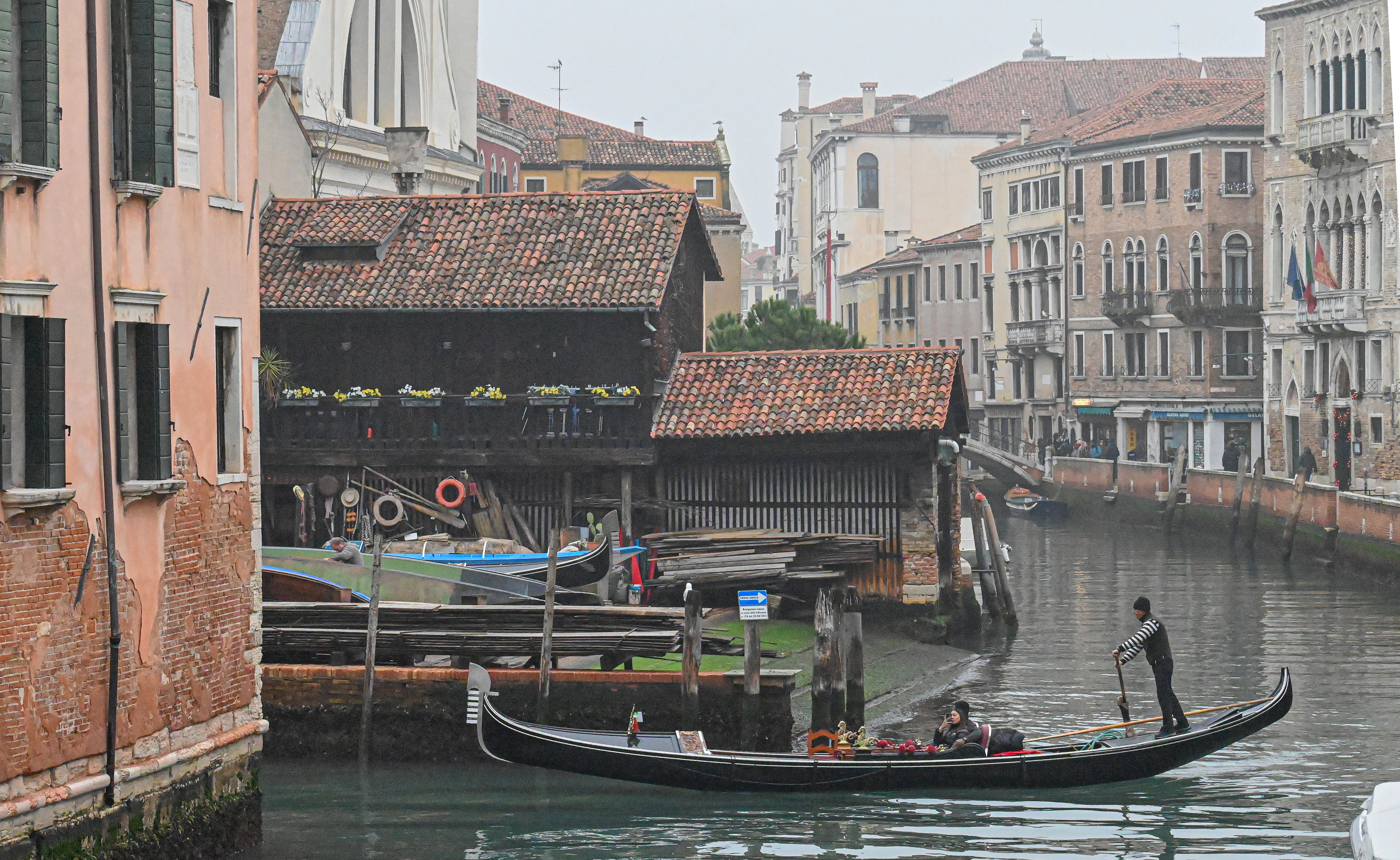





On 15 December, a special section titled “Knowledge Production About and Through Heritage: The Armenian Experience” was held as part of the ASIAC XIX Annual Conference at Ca’ Foscari University of Venice. The section addressed how heritage functions not only as an object of preservation, but also as a medium through which knowledge is produced, negotiated, and transmitted—often in ways that remain overlooked by dominant heritage frameworks.
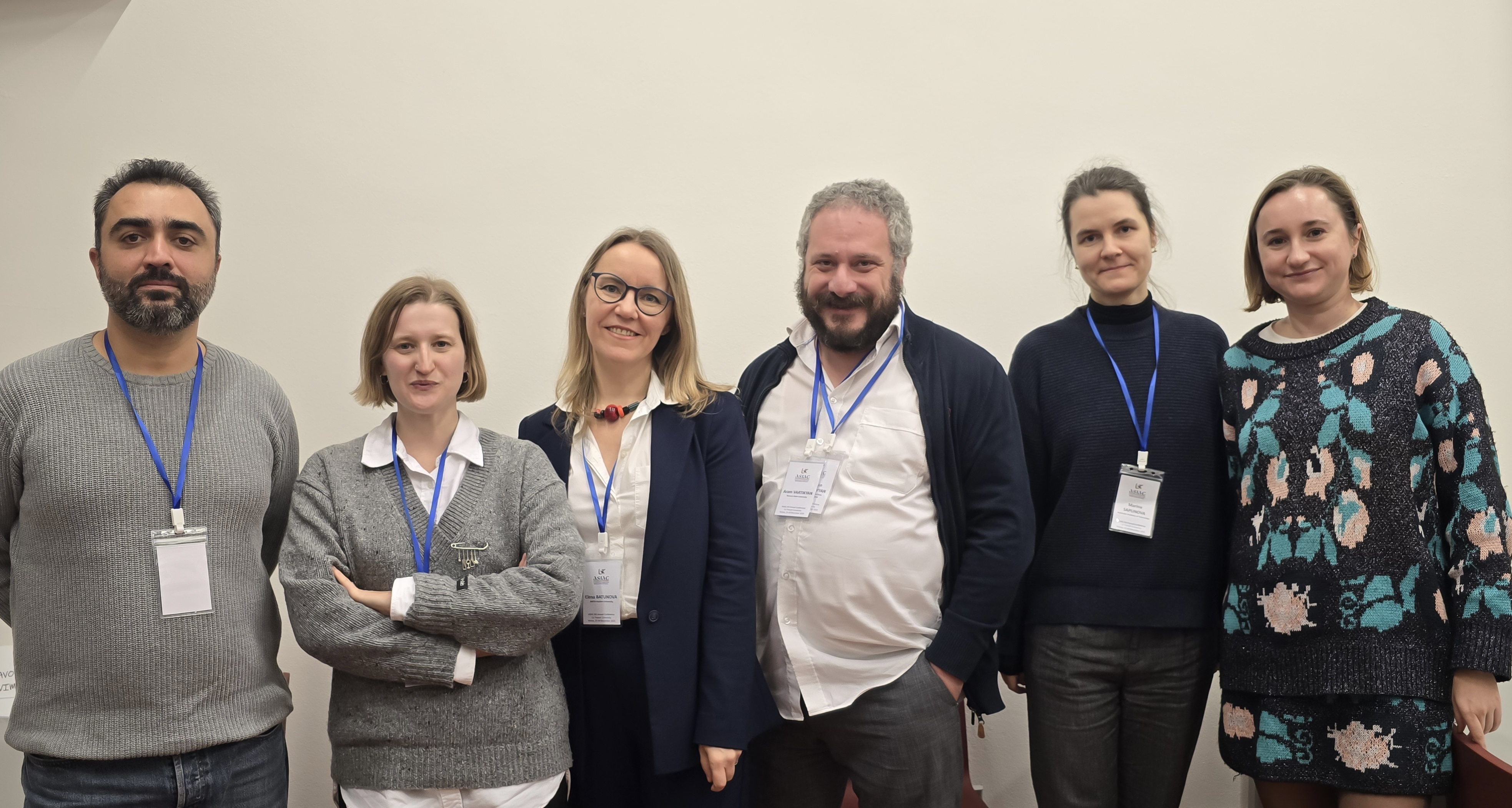
The section was co-organised by Elena Batunova (RWTH Aachen University, Germany) and Maria Gunko (University of Oxford, UK; Yerevan State University, Armenia). It brought together six presentations that examined Armenian cities through the lenses of Soviet-era housing, mass housing estates, industrial legacies, and inherited infrastructures. Rather than focusing on heritage under development pressure, the panel concentrated on urban environments shaped by long-term uncertainty, rupture, and decline, foregrounding everyday practices that sustain material and social continuity over time.
Across the presentations, heritage emerged as a lived and ongoing process rather than a fixed category. Contributors explored how housing and industrial infrastructures continue to structure urban life decades after the collapse of the Soviet system, and how residents engage with these environments through practices of care, repair, adaptation, and memory. These approaches challenged conventional understandings of urban transformation that prioritise renewal, growth, or monumentality, instead highlighting persistence, improvisation, and everyday maintenance as central to heritage-making.
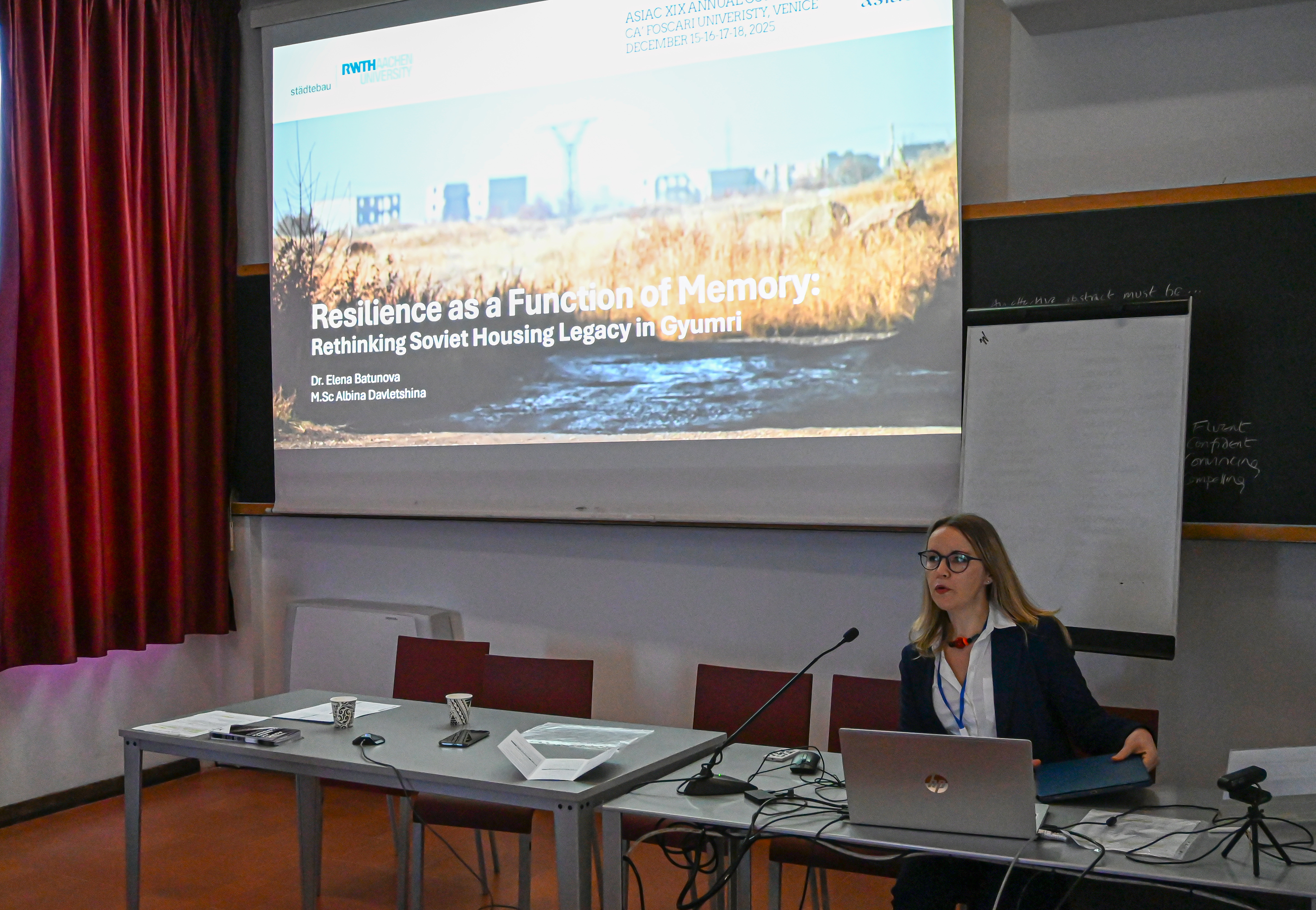
Two presentations were directly connected to the Cities.Building.Culture project. Elena Batunova and Albina Davletshina (RWTH Aachen University) focused on the city of Gyumri, examining Soviet housing as a long-term condition of living with risk in the aftermath of the 1988 Spitak earthquake. Their contribution demonstrated how everyday practices of repair, use, and care continue to sustain housing resilience decades after the disaster, positioning Soviet-era buildings as part of a lived urban reality rather than as a closed historical legacy.
Another project-related presentation by Sofia Borushkina (European University Institute, Italy) and Marina Sapunova (Karlsruhe Institute of Technology, Germany) turned to the city of Vanadzor. They approached Soviet mass housing as a form of everyday heritage, emphasising how resident-led practices of maintenance and adaptation allow these estates to function as living infrastructures beyond formal heritage recognition. Their work highlighted how mass housing persists materially and socially, even as the industrial conditions that once justified its construction have fundamentally changed.
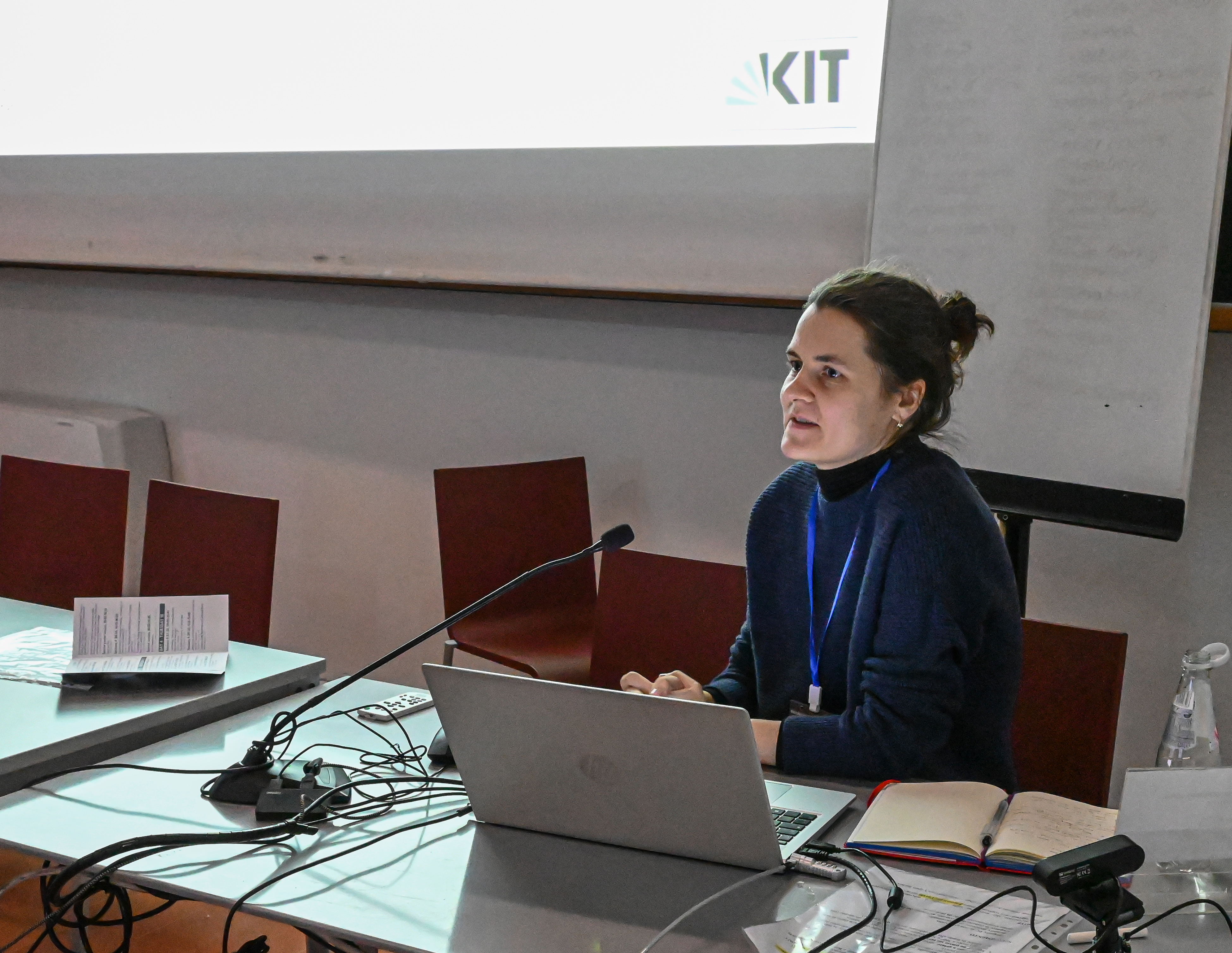
Taken together, the panel offered a critical rethinking of heritage grounded in the Armenian experience. It proposed understanding heritage less as a category defined by age, monumentality, or exceptional value, and more as a set of practices that enable cities to endure under conditions of uncertainty. By foregrounding everyday care, use, and maintenance, the section highlighted forms of heritage knowledge that are often undervalued, yet crucial for understanding how urban life is sustained over time.
The special section contributed to broader ASIAC discussions on knowledge production in Central Asia and the Caucasus, demonstrating how Armenian cases can inform wider debates on post-socialist urbanism, inherited infrastructures, and the long afterlives of modernist and industrial projects.