





18–24 October 2025
Returning to Daugavpils in October, the Integrated Action Approach team, Elena Batunova and Albina Davletshina, examined the city’s residential and public-space management within the broader framework of resilience and sustainability developed in the project. Through engagement with local institutions, experts, and residents, the fieldwork traced how responsibilities and practices are distributed among different levels of governance and everyday care.
The visit combined institutional meetings, expert interviews, and on-site observations in both central and peripheral neighborhoods. Conversations addressed land ownership, maintenance routines, greenery management, and cooperation between city departments, housing companies, and residents. Interviews with inhabitants added perspectives on daily maintenance, comfort, and participation in shared decision-making.
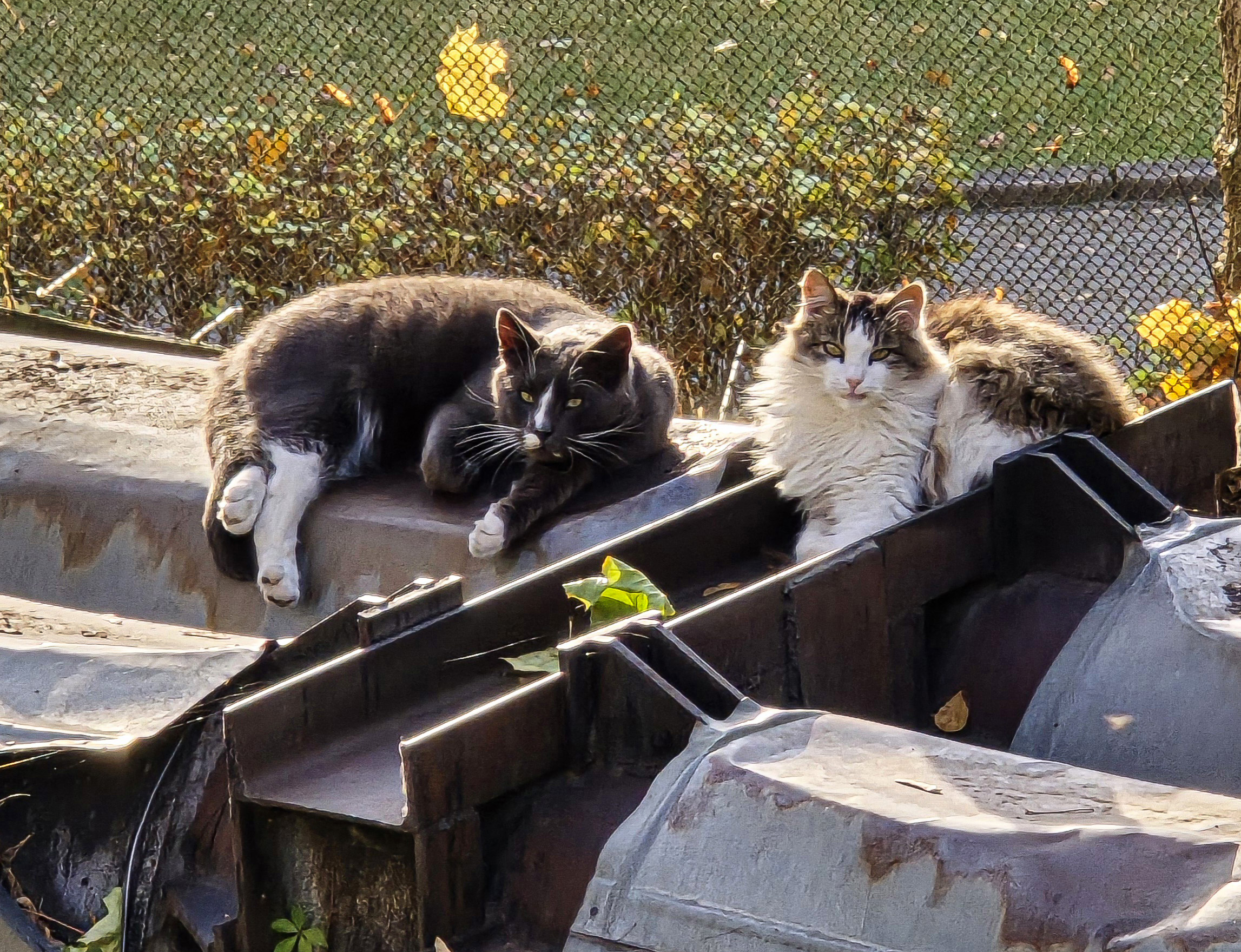
Visual inspections focused on the full spectrum of change and continuity, from large-scale renovation and greening programs to small, often improvised actions by individuals and local groups. Among these, one recurring and unexpected theme was the presence of cats and their micro-infrastructure: shelters, feeding spots, and staircases maintained collectively by residents. These quiet arrangements illustrate how care for the environment extends beyond human needs, subtly redefining what “public space” means in everyday life.
The autumn fieldwork, marked by clear skies and falling leaves, revealed Daugavpils as a city where formal systems and informal practices meet sustaining resilience through layered forms of organization, adaptation, and shared responsibility.