





Testing Everyday Urban Life in Lasnamäe, Tallinn
by Ekaterina Gladkova
In the microdistrict of Mustakivi, Lasnamäe, Tallinn, a series of pavilion-like interventions has been introduced under the name Living Room Street (Elutoa tänav). Developed as part of a municipal initiative during Tallinn’s year as European Green Capital 2023, the project was designed by the young architectural collective Stuudio Kollektiiv (https://stuudiokollektiiv.ee/living-room-street/ ) and implemented in 2024. Situated next to the busy Laagna Street corridor and the bus stop, the intervention aims to activate residual spaces between housing blocks and transform them into a human-scale public environment (Fig. 1).
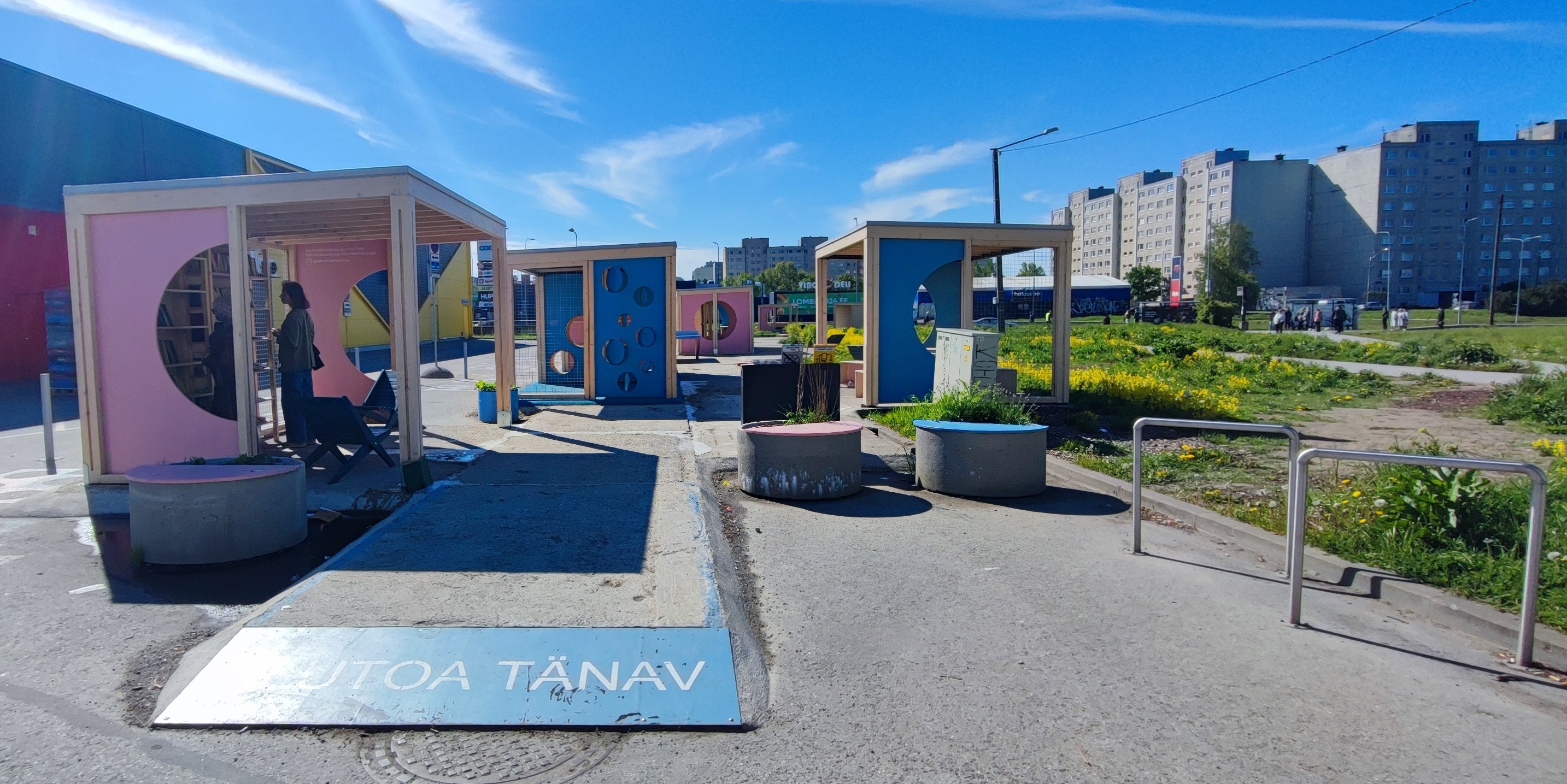
Fig. 1. Living Room Street pavilions sequence in Mustakivi, Lasnamäe, Tallinn, Estonia. May 26, 2025.
Photo: Ekaterina Gladkova
The project consists of eight modular structures, arranged as a chain of small public "rooms" offering spaces for reading, play, food sharing, informal gatherings, and small-scale markets (Fig. 2). A key design principle was material reuse and waste-free production. Wall panels were repurposed to create the podium, while steel barrels and concrete well rings were reused as small architectural elements. The plywood was new, but its components were cut in a way that produced no waste, with all offcuts incorporated into the pavilions elements.
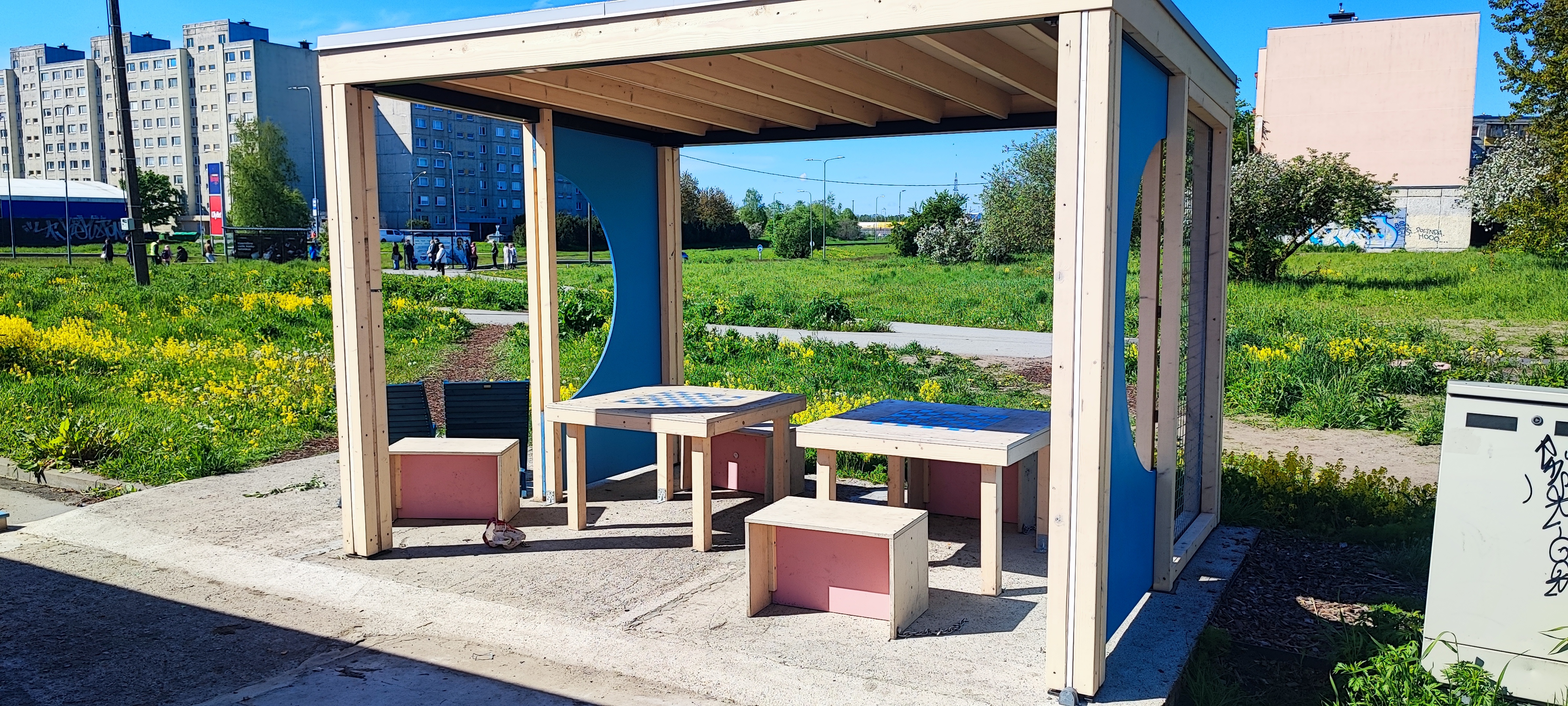
Fig. 2. "Room" for playing chess in the Living Room Street pavilion sequence in Mustakivi, Lasnamäe, Tallinn, Estonia. May 26, 2025.
Photo: Ekaterina Gladkova
At present, the most actively used areas of the installation are the book exchange pavilion and the informal seating zones (Fig. 3). Here, especially older residents stop to rest during their daily routes between bus stops, supermarkets, and housing entrances. The structures function as small pauses in the daily pedestrian navigation of microdistrict spaces that are out of human scale.
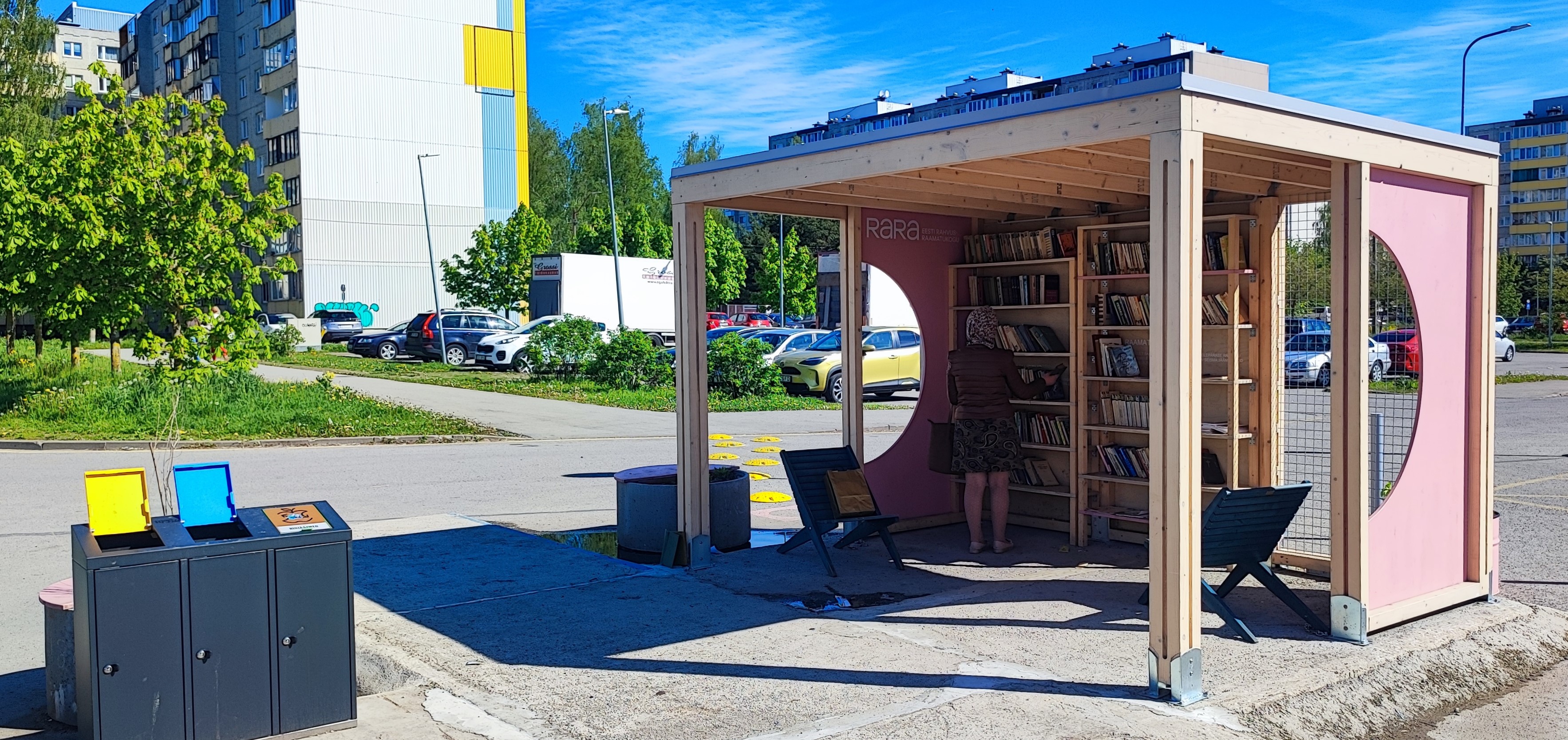
Fig. 3. "Room" for book exchange in the Living Room Street pavilion sequence in Mustakivi, Lasnamäe, Tallinn, Estonia. May 26, 2025.
Photo: Ekaterina Gladkova
However, other programmed elements, such as the exhibition pavilion, information space, and market zone remain largely unused (Fig. 4). Their inactivity highlights a key challenge of such interventions: spatial design alone is not sufficient to generate continuous public life. Without facilitation, programming, and local coordination, even well-designed spaces risk remaining underused.
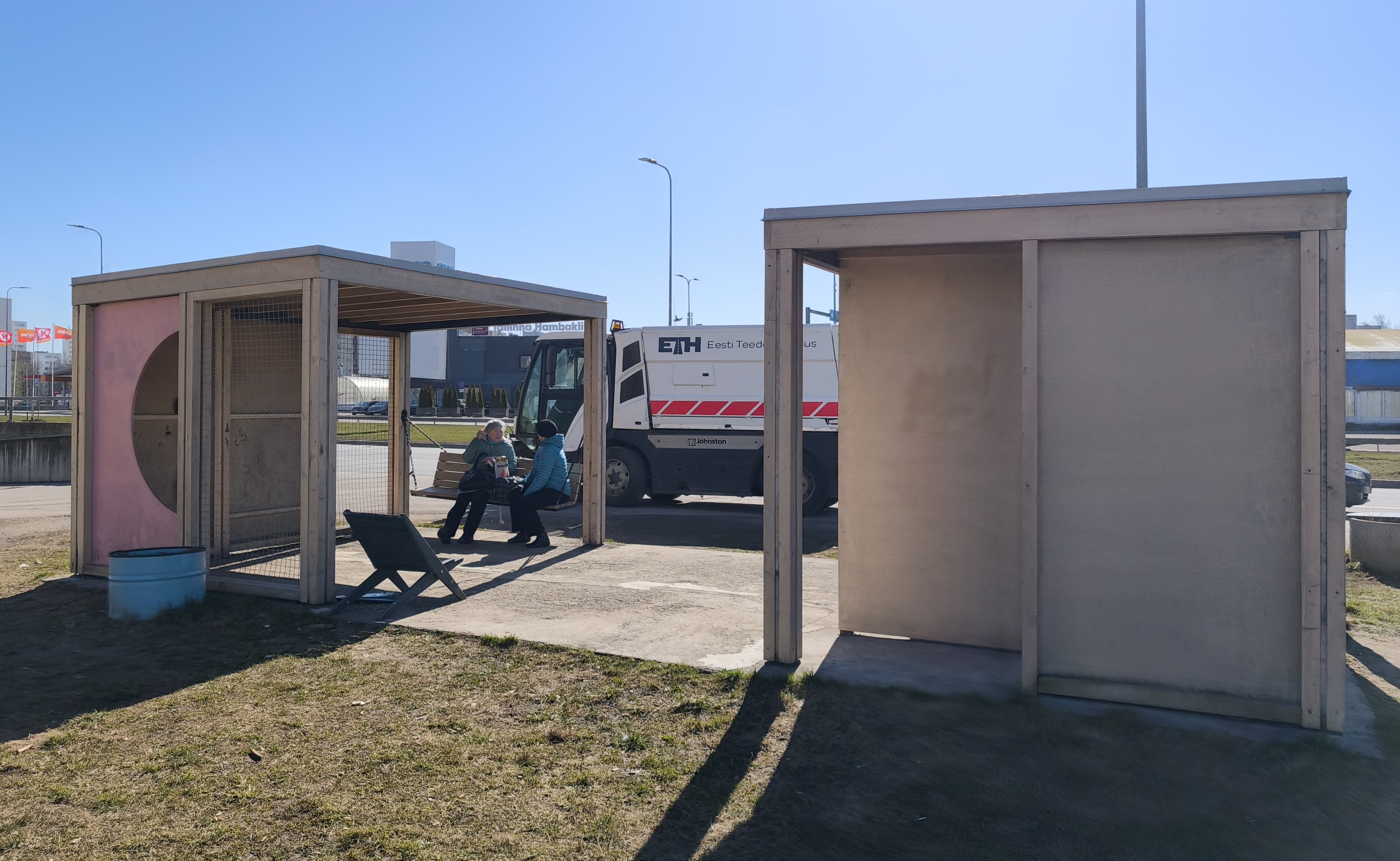
Fig. 4. Exhibition and information pavilions in the Living Room Street pavilion sequence in Mustakivi, Lasnamäe, Tallinn, Estonia. April 9, 2026.
Photo: Ekaterina Gladkova
The Living Room Street thus operates as both a spatial experiment and a test of governance. It demonstrates how recycled, modular design can introduce new forms of publicness into post-socialist mass housing landscapes, but also makes visible the limitations of purely physical interventions. Even small-scale, temporary transformations require sustained management, resources, and institutional or community-based stewardship to remain socially active. The project raises broader questions about how microdistrict public spaces can be activated beyond initial installation phases and what kinds of organizational structures are necessary to keep them alive in the long term.